Choosing Short-Season Vegetable Varieties for Montana
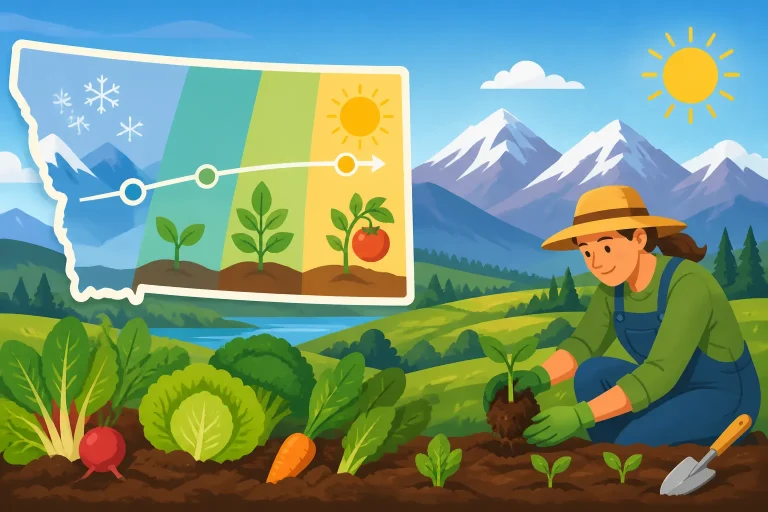
Montana’s short growing season makes variety choice consequential: a plant can grow well yet fail to produce a useful harvest before cold weather arrives. The best fit depends on more than a seed-packet maturity figure. This guide explains how to compare varieties, match crops to your site and harvest goals, and build a practical planting plan.
What “short-season” means when choosing vegetables
A short-season vegetable is generally one that can reach a useful harvest in a relatively brief growing window. That sounds straightforward, but the phrase does not identify one universal set of varieties. Montana gardens differ in elevation, exposure, soil, wind, and the timing of local cold. A variety that performs well in one garden may be a poor choice in another.
Start by defining what a successful harvest means to you. For a leafy crop, you might be satisfied with tender leaves for fresh meals. For a root crop, you may want roots large enough to store or cook. For tomatoes, peppers, or squash, success might mean ripe fruit rather than abundant foliage or developing fruit that never matures. The variety that suits one harvest goal may not be the best choice for another.
It also helps to distinguish between a plant surviving and a crop finishing. A vegetable may tolerate cool conditions and continue growing, but that does not guarantee it will reach the size, flavor, or maturity you want before the season turns. When choosing seeds, consider how long the crop needs to establish, grow, and become harvestable—not just whether it can withstand a chilly night.
Montana State University Extension cautions that days to maturity are useful for comparing varieties but are not precise for Montana conditions. Treat that figure as a comparison tool, not a promise about the date you will harvest. Seed companies may also count maturity from different starting points, such as sowing or transplanting. Check the wording on the packet or catalog, and compare varieties using the same kind of information when possible.
Short-season planning also means choosing crops that fit how you garden. If you can start seedlings indoors, you may have more options for vegetables that need a longer period of growth. If you prefer direct sowing, prioritize crops that establish and produce well from seed in your garden. If a crop will occupy a bed for much of the season, ask whether it earns that space with the harvest you actually want.
For the broad timing picture, see Vegetable Planting Windows and Frost Limits in Montana. If you are still deciding what to grow, Choosing Short-Season Vegetable Varieties for Montana is this page’s topic, while Short-Season Vegetables for Mountain West Gardens offers a broader regional frame. The useful takeaway is to select for a realistic harvest at your site, not a label that sounds fast.
How to read days to maturity without treating them as a deadline
Days to maturity can help narrow a seed search, especially when several varieties are otherwise similar. But a maturity number is not a local forecast. It cannot account for every garden’s soil temperature, light, moisture, wind exposure, transplant recovery, or interruptions from cold or heat. A variety listed as earlier than another may still take longer in a cool, stressful, or shaded planting.
Use the number as one part of a comparison:
- Compare varieties of the same crop and look for differences in listed maturity.
- Check whether the listing counts from sowing or from transplanting.
- Read the description for harvest traits, such as early fruiting, compact growth, or the ability to pick leaves young.
- Consider whether you plan to direct-sow or transplant.
- Treat the listed timing as an estimate to test against your own garden records.
A packet’s maturity estimate is most useful when you compare like with like. If one description counts from transplanting and another counts from sowing, the numbers may not represent the same period. If the starting point is unclear, check the seed company’s description rather than assuming the figures are directly interchangeable.
The estimate can still help you avoid obviously poor matches. If your growing window is limited, a variety described as earlier may be a more sensible trial than one described as late. But do not choose solely by the smallest number. A crop with a slightly longer estimate may be a better fit if it is more productive in your conditions, suits your preferred harvest, or has traits that matter to you.
Think of maturity as one row in a larger decision. A useful comparison includes crop type, how it is started, the harvest stage you want, and the conditions where it will grow. Keep notes on what you sowed, when it was planted, how it grew, and when you began harvesting. Those notes turn a general estimate into a more useful local reference over time.
For help interpreting the time listed for a particular crop, see How to Calculate Vegetable Days to Maturity in Montana. If you are comparing varieties for a short summer, How Days to Maturity Guide Cultivar Selection in Short Summers can help you make the maturity figure part of a wider selection process. For a planting plan that allows for local variation, Calculating Montana Sowing Dates Around Two-Week Season Shifts is also relevant.
Avoid turning an estimate into a rigid deadline. If a crop is developing slowly, look at the conditions and the plant’s stage before deciding that it has failed. A cool stretch, slow establishment, or a delayed transplant can shift the harvest. Conversely, a favorable site can sometimes bring harvest sooner than the seed description suggests. The point is not to predict an exact date; it is to choose a plausible variety and leave room for conditions to shape the result.
Match variety choice to how each crop grows
Different vegetables use the growing season in different ways. Some provide an edible harvest soon after their leaves appear. Others need time to build a root, set fruit, or mature a head. That difference matters when you have a limited window: a crop’s growth habit and harvest stage can be just as important as its maturity estimate.
Leafy crops and repeated picking
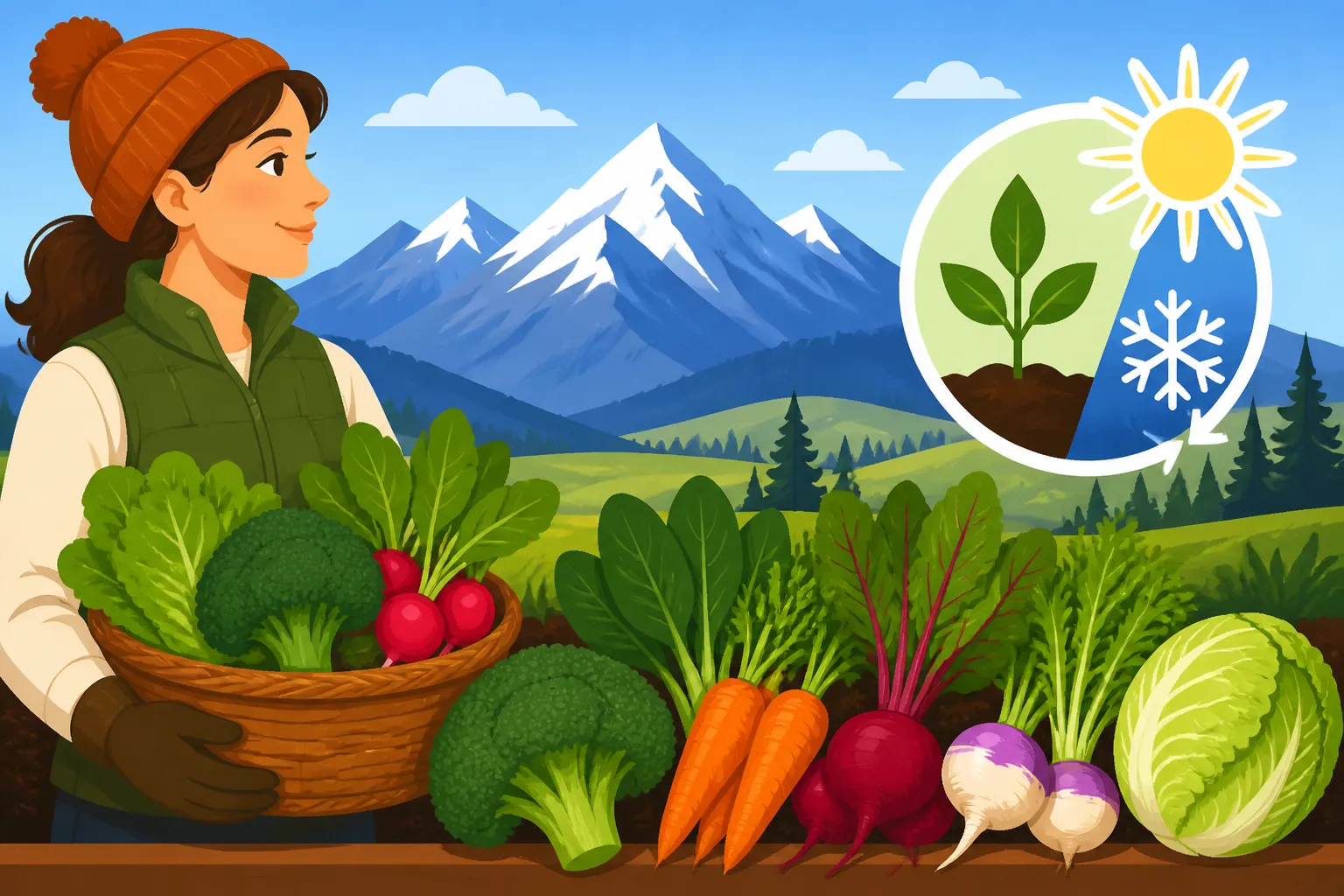
Leafy vegetables often give gardeners flexibility because you may be able to harvest young leaves before a plant reaches full size. Look for descriptions that suit the way you intend to pick: baby leaves for frequent small harvests, larger leaves for cooking, or a plant that can continue producing after you remove some leaves. A variety that works well for repeated picking may be more useful than one selected only for the size of a single mature plant.
Also consider whether your household will use the crop while it is ready. A fast-growing planting that matures all at once can create more food than you can eat. Staggering sowings or choosing crops that can be harvested gradually can spread the work and the harvest. For options and timing, see When to Sow Lettuce and Hardy Greens in Montana Gardens and How Often to Succession Sow Spring Radishes Before Summer Heat.
Roots and bulbs
Root crops vary in the size, shape, and soil conditions that suit them. A variety intended to form a long root may be frustrating in compact or stony ground, while one with a shorter root may be more practical in a shallow bed or container. Check the description for the size and form of the harvest, and compare that with the soil you have rather than selecting from maturity alone.
Some root crops are harvested young; others are left to grow larger. Choose a variety that suits the harvest stage you can reasonably reach and use. If the crop is slow to establish, a short printed maturity estimate may not compensate for poor soil contact or uneven moisture. For crop-specific planning, see When to Direct-Sow Montana Root Crops in Spring and Summer.
Fruiting crops
Tomatoes, peppers, cucumbers, squash, beans, and corn all need to produce something beyond leaves before the harvest is complete. For these crops, read descriptions for traits related to early production, fruit size, and the intended harvest. A variety that produces smaller fruit may be easier to finish than one whose fruit needs a longer period to mature, but the best choice depends on what you want to eat and how you plan to use it.
For tomatoes and peppers, distinguish between a plant setting fruit and fruit ripening to a useful stage. If ripe fruit is the goal, look for descriptions that emphasize earlier ripening and consider compact or protected growing options if those suit your site. Will Tomatoes and Peppers Ripen in Montana Before Freeze? and Can Peppers Fully Ripen Outdoors in Montana? address that challenge in more detail.
For beans, check whether the description suits fresh pods, dry beans, or another intended use. For cucumbers and squash, consider how much space the plants need and whether fruit can be harvested while still tender. For corn, a variety must be a fit for your planting conditions as well as your harvest goal. See When to Plant Bush and Pole Beans Outdoors in Montana, Starting Cucumbers, Squash, and Pumpkins in Montana, and Growing Sweet Corn Across Montana’s Brief Summers for crop-specific planning.
| Crop type | What to compare | A useful question |
|---|---|---|
| Leafy greens | Harvest stage and whether picking can continue | Will you eat leaves young or wait for larger plants? |
| Root crops | Root size, shape, and soil fit | Can your bed support the size and form described? |
| Fruiting crops | Time to useful fruit, not just plant growth | Does the variety have time to produce the harvest you want? |
| Beans and peas | Fresh, dry, or repeated-picking use | Which harvest stage matters most to you? |
| Herbs | Leaf production and intended use | Do you want occasional snipping or a larger harvest? |
This crop-by-crop approach prevents one common mistake: treating all vegetables as if they mature in the same way. A good choice is the variety that reaches the harvest stage you value in the conditions you can provide.
Choose varieties that fit your garden, not just your region
A regional recommendation is a helpful starting point, but no label can capture every garden. Before ordering, note what your planting area is like. Does it receive strong sun for much of the day, or is it shaded by a building or trees? Does the soil warm quickly, or does it stay cool and damp? Is the bed exposed to wind? Do you garden in the ground, in a raised bed, or in containers?
These details affect how a variety performs. A sheltered, sunny bed may suit a heat-loving crop better than an exposed area that loses warmth to wind. A container can warm and dry differently from a large in-ground bed, so a variety that performs well in one setting may need closer attention in another. The aim is not to find a variety that tolerates every condition. It is to choose one whose needs you can meet.
Use the plant description to screen for practical fit:
- Size: Check the expected plant spread or growth habit so the crop has enough room.
- Support: Note whether a climbing or sprawling plant will need a trellis or other structure.
- Harvest style: Decide whether you want one main harvest, repeated picking, or a crop to preserve.
- Growing method: Confirm that the variety is suitable for direct sowing, transplanting, or container growing as planned.
- Stress tolerance: Treat claims about tolerating cold, heat, or disease as useful details to investigate, not guarantees for your particular bed.
The garden’s small-scale conditions can matter even within one yard. A bed beside a warm wall may not behave like an open patch, and a low or shaded corner may stay cooler than nearby ground. Consider these differences when deciding where to put a crop. If you have only one suitable warm spot, reserve it for a vegetable that benefits most from warmth rather than using it for a crop that can grow comfortably elsewhere.
Soil also belongs in variety selection. A crop that needs loose, well-drained soil may struggle in a compact bed regardless of its listed maturity. Some problems can be improved by preparing the bed, but it is still wise to choose varieties compatible with the growing space you have. Raised Beds vs In-Ground Plots in Montana Gardens discusses the trade-offs between those growing setups, while Testing Soil Moisture Drainage in Fresh Raised Bed Soil Mixes can help you evaluate drainage before planting.
Do not assume a hardiness-zone label tells you when to sow an annual vegetable. Hardiness zones describe a different kind of climate information from the timing needed to grow and harvest seasonal crops. For that distinction, see Why Plant Hardiness Zones Do Not Tell You When to Plant. Use local planting guidance and the conditions in your own garden to decide whether a particular variety is a realistic choice.
Make the most of limited space and time
When the season is constrained, planning is not only about which variety to buy. It is also about how the garden’s space is used. A long-occupying crop may be worth growing if it is a priority, but it can limit what else fits in the bed. Before planting, sketch the garden and consider where each crop will sit, how large it may become, and whether another planting could follow after harvest.
Give priority to crops you enjoy and will use. A garden full of varieties chosen only because they sound early may still produce an inconvenient harvest. If you want fresh salads, reserve room for greens you can pick regularly. If you mainly want vegetables to cook or preserve, select crops that meet that use. This makes it easier to choose between an early variety with a small harvest and one that takes longer but offers the yield or quality you prefer.
Succession planting can help spread harvests. Instead of sowing every seed at once, plant a portion, then sow again after the first planting is established or harvested, if conditions and the crop’s needs allow. This can reduce the chance that everything is ready at once. It is not appropriate for every vegetable or every part of the season, so base the plan on crop guidance and local planting windows. See Managing Short-Season Crop Rotations and Fall Harvest Windows for ways to coordinate plantings and harvests.
A second planting can also fail if it goes in too late to finish. Before relying on a later sowing, consider the crop’s likely growth period and the conditions it will face as the season changes. The same caution applies to replacing a crop that struggled: a replacement may grow, but may not have enough favorable time to reach the harvest you want. Fall Vegetable Sowing Windows for Short-Season Gardens and Sowing Montana Fall Crops Before the First Autumn Freeze can help you assess those later-season choices.
Transplants can be useful for crops that benefit from getting established before they move outdoors, but starting too early has drawbacks. Seedlings that outgrow their containers or become stressed before planting may not gain as much time as expected. Choose an indoor-starting plan that matches the crop and your ability to provide appropriate light, space, and care. For schedules and transplant considerations, see Indoor Seed Starting and Transplant Schedules in Montana and Hardening and Transplanting Warm-Season Crops in Montana.
Use protective structures only when they fit the crop and the way you can manage them. A tunnel or cover may offer useful protection or a more favorable growing environment, but it also needs attention as conditions change. Season Extension in Montana: Cold Frames, Hoops, and Cloches explains common options, and Row Cover Timing: Venting Bed Tunnels for Montana Insects and Rain covers management considerations.
A compact plan is often more effective than trying to grow every crop. Pick a few priorities, choose varieties suited to their harvest purpose, and leave room for practical care. That approach can make it easier to notice problems early, keep up with picking, and adjust a planting when conditions are not as expected.
Build a practical short-season seed shortlist
A shortlist makes seed shopping less confusing. Rather than scanning every catalog description, decide what each crop needs to do in your garden and use that purpose to filter choices. A shortlist can be a note on paper or a spreadsheet; what matters is recording why a variety made the cut and what you will learn by growing it.
For each crop, write down:
- The harvest you want, such as young leaves, ripe fruit, or roots for storage.
- Whether you plan to direct-sow or transplant.
- The space and support available.
- Any site challenge that could affect the crop, such as shade, wind, or slow-draining soil.
- The traits in the description that matter most, including maturity comparison, plant size, or harvest style.
- Whether you have grown it before and what happened.
Then compare a small number of candidates. Look for descriptions that directly address your goal rather than relying on broad claims such as “early” or “productive.” If a listing says a crop is early, see whether that refers to the first harvest, the whole crop, or a particular fruit or plant size. If the description is vague, do not assume it means the variety will finish under every Montana condition.
Avoid overcommitting to a single untested variety. If a crop is important to you, trying more than one suitable option can help you learn which performs better in your garden. Keep the trial manageable: choose candidates that have a clear reason for being included, and leave space to care for them well. An overly broad test can take time and space without producing clear comparisons.
When you compare results, record conditions as well as harvest. Note whether the crop was sown directly or transplanted, whether the bed was sunny or exposed, and whether growth was interrupted by cold or other stress. Record the harvest stage you considered successful. These details help distinguish a variety that did not suit your site from one that was planted at an unsuitable time or cared for under difficult conditions.
Use your own records with care. One season cannot prove that a variety will always perform a certain way, because conditions vary. But repeated observations can show which choices are consistently worthwhile and which are unreliable for your garden. Keep the seed packet or write down the variety name so you can compare the same selection again.
If a crop did not mature as expected, diagnose the reason before rejecting it outright. Was it a slow-starting planting? Did it receive enough light? Was the soil appropriate? Did a seedling lose time after transplanting? Was the chosen harvest stage more demanding than expected? The answer may point to a different variety, a different planting method, or a different crop altogether.
If the crop itself is a poor match for your site or priorities, replace it with one that better fits the available window. A vegetable that reliably gives a modest harvest can be more satisfying than a high-potential crop that rarely finishes. For a broader approach to selecting crops that suit brief summers, see How Days to Maturity Guide Cultivar Selection in Short Summers.
Adjust your choices as the season unfolds
A planting plan is a starting point, not a guarantee. Conditions can change after sowing, so watch the crop rather than relying only on the calendar. Notice whether seedlings establish steadily, whether leaves look healthy, and whether fruiting crops are moving from flowers to harvestable produce. If development is delayed, identify what may be slowing it before adding more seeds or changing care.
Cold can interrupt growth, especially for crops that prefer warmer conditions. Covering plants or moving containers to a more protected place may be appropriate for some situations, but protection does not make every crop immune to poor conditions. The crop’s stage, the type of protection, and the weather all matter. See Protecting Montana Seedlings When Late Cold Threatens and How to Cover Garden Starts During Sudden Spring Freezes for ways to think through cold protection.
Heat and dry spells can also affect the crop’s progress. Water needs depend on the bed, soil, weather, and plant stage, so check the soil and follow suitable guidance rather than using a fixed schedule for every garden. A plant under stress may grow slowly even when the variety is otherwise a good choice. If heat is affecting a planting, Adjusting Montana Vegetable Watering During Summer Heat Waves and Mulching and Shading New Starts to Prevent Heat Shock in Montana offer related guidance.
For fruiting crops, monitor the harvest goal directly. A tomato plant that has lots of foliage but little ripe fruit may be telling you that the variety, site, or timing is a poor match. A squash plant producing flowers but not the fruit you hoped for may need closer assessment rather than a quick conclusion that the maturity label was wrong. Keep notes on what happened and use them to adjust the following planting.
Be willing to harvest at a useful stage rather than waiting for a single ideal endpoint. Many crops can be eaten while young, and regular picking may fit a household’s needs better than waiting for maximum size. Other crops need to mature further for the intended use. Choose varieties and harvest stages together, and make sure the plan reflects how you will actually prepare or store the produce.
Late-season decisions should be realistic. If a crop is still small as favorable growing conditions fade, it may be more sensible to harvest what is usable than to expect it to reach full size. For root crops or greens, the options may differ from those for fruiting crops. Protecting Late Root Crops in Montana Beds as Freezing Nights Arrive and Timing Pumpkin Harvest Before Heavy Montana Freezes address particular end-of-season concerns.
After harvest, review the season without blaming the variety for every setback. Ask what the garden conditions were, whether the crop was started in the right way, and whether the harvest goal was realistic. Keep the varieties that suited your needs, change the ones that did not, and try a different approach where the evidence points to a fixable problem. That steady adjustment is more useful than expecting one seed-packet description to predict every Montana garden.
Frequently Asked Questions
Is the variety with the lowest days-to-maturity number always the best choice?
No. The figure can help compare varieties, but it does not predict an exact harvest for your garden. Also compare the crop’s intended harvest stage, growth habit, and suitability for your site.
Should I choose only varieties labeled for short seasons?
Use “short season” as a useful screening phrase, not as the only reason to buy a variety. Check what harvest it is meant to provide and whether its growing needs fit your bed and planting method.
Can starting seeds indoors make a long-season variety a good choice?
Starting indoors can give some crops an earlier start, but it does not remove every limitation. Consider the crop, transplant timing, seedling health, available space, and the conditions where it will grow.
How can I tell which varieties work best in my garden?
Keep records of the variety, planting method, site conditions, and harvest. Compare results across plantings, and use repeated observations to decide what is worth growing again.
Sources
- Montana State University Extension — Successful Home Vegetable Gardening – Extension Store (checked November 15, 2026)
Disclaimer
This article is for general informational purposes only and does not constitute professional advice. Laws, prices and regulations vary by location and change over time. Consult a qualified professional for guidance on your specific situation. Montana Gardening Guide is not a government agency and is not affiliated with any university extension, state department of agriculture or other government agency.